

The outdoor AC unit starts up, runs for a few minutes, shuts off, and then starts right back up again. At first, it may seem like the system is working overtime to keep the house comfortable. In reality, that constant starting and stopping is often a sign that something is wrong.
This behavior is known as short cycling, and it can put significant strain on your air conditioner. Every startup requires a surge of energy and places stress on critical components, particularly the compressor. Over time, repeated short cycles can increase energy costs, reduce efficiency, and shorten the lifespan of the system.
A properly functioning air conditioner should typically run for 10 to 20 minutes per cycle and only cycle a few times each hour under normal conditions. When the outdoor unit begins turning on and off every few minutes, it is usually pointing to an underlying issue that needs attention.
In this blog, we’ll explain the most common reasons an outdoor AC unit keeps turning on and off, what you can check yourself, and when it is time to call a professional before a small problem turns into a costly repair.
Key takeaways:
- An outdoor AC unit that keeps turning on and off rapidly is short cycling, which is never normal.
- A healthy AC runs 10 to 20 minutes per cycle and cycles two to three times an hour.
- Common causes include a dirty filter, low refrigerant, a frozen coil, thermostat issues, or an oversized system.
- Short cycling strains the compressor, raises energy bills, and shortens your system’s lifespan.
- Some causes are quick fixes, but refrigerant and electrical problems need a licensed technician.
Why Does My Outdoor AC Unit Keep Turning On and Off?
Your outdoor AC unit keeps turning on and off, a problem called short cycling, when it shuts down before finishing a full cooling cycle. Common causes include a dirty air filter, low refrigerant, a frozen evaporator coil, a thermostat issue, or an oversized system. Left unchecked, short cycling strains the compressor and shortens your AC’s life.
Here is what normal looks like for comparison. A healthy air conditioner runs a steady 10 to 20 minute cycle, cools your home evenly, then rests for several minutes before starting again, usually two or three times an hour on a hot day. When the unit instead fires up and shuts off every few minutes, something is forcing it to stop early or tricking it into thinking the job is done. Finding that something is the key to protecting your compressor and your comfort.
Why Your Outdoor AC Unit Keeps Short Cycling
Most short cycling traces back to airflow, refrigerant, the thermostat, or the system itself. Some causes are simple and cheap to fix, while others need a professional. Reading through them in order helps you understand what is interrupting your cooling cycles.
1. A Dirty Air Filter
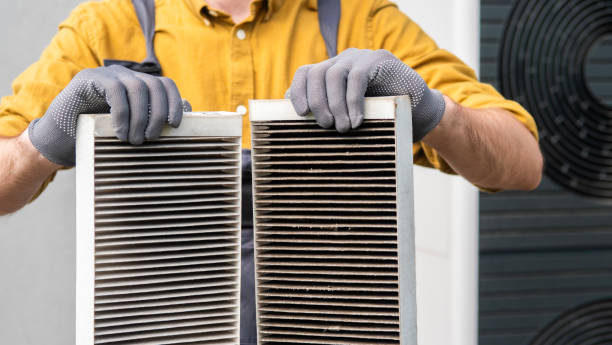
A clogged air filter is one of the most common and easiest causes to fix. When the filter chokes with dust, it restricts airflow across the coil, which can cause the system to overheat and shut down early or freeze up and stop. Either way, the unit cuts its cycle short. Pull the filter, hold it up to the light, and replace it if you cannot see through it. Changing it every 30 to 60 days in Texas summers prevents a surprising number of problems.
2. Low Refrigerant From a Leak
Low refrigerant throws off the pressure balance your system depends on, which can trip safety controls and stop the cycle early. A low charge almost always means a leak rather than a system that needs a routine refill.
You might notice weak cooling, ice on the lines, or a hissing sound along with the short cycling. A technician has to find the leak, seal it, and recharge the system to the manufacturer specification.
3. A Frozen Evaporator Coil
A frozen indoor coil can force your system to shut down repeatedly. Low airflow or low refrigerant lets the evaporator coil drop below freezing, and the ice that forms triggers the system to stop. As it partially thaws and restarts, the cycle repeats in short bursts. If you see frost on the indoor unit or the refrigerant lines, turn the system off to let it thaw, then have the airflow or refrigerant cause checked.
4. A Thermostat Problem
Sometimes the equipment is fine and the thermostat is the culprit. A thermostat mounted in direct sunlight, near a supply vent, or on a hot wall can misread the temperature and cut cycles short. Failing sensors, wiring faults, or dead batteries can also send confused signals to the system. Moving a poorly placed thermostat or fixing a faulty one often restores normal cycling.
5. An Oversized AC System
An air conditioner that is too large for your home cools the space so fast that it shuts off before completing a full cycle. This is short cycling built right into the equipment, and it is a common result of a system that was never sized correctly with a proper load calculation.
An oversized unit also struggles to remove humidity, leaving your home cold but clammy. Correcting it usually means replacing the system with a properly sized one.
6. Electrical Problems
Faulty electrical parts can interrupt cycles in ways that mimic other issues. A failing run capacitor, a worn contactor, or a problem on the control board can cause the compressor to start and stop erratically. These components need a licensed technician to test and replace, because diagnosing them involves live electrical parts and the risk of further damage if handled wrong.
The Dangers of Short Cycling
Short cycling is not just an annoyance, it actively damages your system and costs you money. Understanding the stakes is what turns a “deal with it later” problem into one you fix now.
The biggest danger is to your compressor, the heart of your AC and the most expensive part to replace. Every startup puts heavy strain on the compressor, so a unit that starts and stops dozens of extra times a day wears out years early. Short cycling also spikes your energy bills, since the startup surge uses far more power than steady running.
On top of that, the brief cycles never run long enough to pull humidity from the air, so your home feels muggy and uneven even when the thermostat reads cool. Left alone, short cycling turns a minor repair into a premature system replacement.
What You Can Check Yourself
A few quick checks can rule out the simple causes before you call. Replace a dirty air filter, since that alone resolves many short cycling cases.
Check that your thermostat is set correctly, has fresh batteries, and is not sitting in direct sun or beside a vent. Clear leaves and debris from around the outdoor unit so it can release heat properly, and make sure your supply vents are open and unblocked.
What you should not touch is the refrigerant, the capacitor, or any electrical wiring. Those involve safety risks and require EPA certification and proper tools. If the basic checks do not stop the short cycling, the next step is a professional diagnosis before the compressor takes the damage.
When to Call an HVAC Professional in DFW
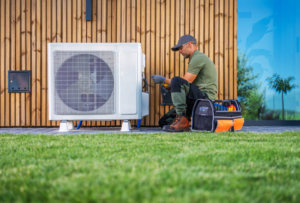
Call a professional when short cycling continues after you change the filter and check the thermostat, when you see ice on the lines, or when you hear the compressor straining to start. Those point to a refrigerant, electrical, or sizing problem that needs trained hands and the right tools to fix safely.
This is where TexAire Heating & Air Conditioning comes in. Our licensed technicians measure the refrigerant charge, test the electrical components, inspect the coil and airflow, and confirm whether your system is correctly sized before recommending a fix.
We provide fast AC repair across the Lewisville, Dallas and Fort Worth area, and we focus on solving the root cause so the short cycling does not come back. TexAire Heating & Air Conditioning serves homeowners throughout the DFW Metroplex with honest diagnostics and dependable workmanship, protecting your compressor before short cycling ruins it.
A Real Lewisville Short Cycling Fix
A homeowner on Garden Ridge Boulevard in Lewisville called TexAire Heating & Air Conditioning because their outdoor unit was clicking on and off every few minutes and the house never felt cool. They had already replaced the air filter, but the problem continued.
Our technician arrived the same day and traced the issue beyond the obvious causes. The system was low on refrigerant due to a small leak, which caused the evaporator coil to freeze and forced the unit to shut down repeatedly. We sealed the leak, recharged the system to manufacturer specifications, allowed the coil to thaw completely, and confirmed the unit returned to normal 15-minute cooling cycles.
The home cooled evenly again that afternoon, and catching the short cycling early helped prevent unnecessary strain on the compressor. It is a clear example of how frequent on-and-off cycling often points to an underlying issue that can be resolved with an accurate diagnosis.
Protecting Your Compressor From Short Cycling Damage
An outdoor AC unit that keeps turning on and off is sending you a warning, not just a nuisance. Short cycling traces back to airflow, refrigerant, the thermostat, or a sizing problem, and every short burst chips away at your compressor and your energy budget.
The smart move is to run the simple checks, then bring in a pro before the most expensive part of your system pays the price. Staying current on routine AC maintenance keeps the airflow, refrigerant, and electrical parts in shape so short cycling rarely starts.
If your outdoor unit keeps cycling on and off, let TexAire Heating & Air Conditioning find the cause and protect your system. Call us at 469-213-7730, and our team will get your AC back to steady, efficient cooling across your DFW home.
FAQs
What does it mean when my AC keeps turning on and off?
It means your AC is short cycling, shutting down before completing a full cooling cycle. Common causes include a dirty filter, low refrigerant, a frozen coil, a thermostat problem, or an oversized system. Short cycling strains the compressor and raises energy bills, so it should not be ignored.
How many times should my AC cycle per hour?
A healthy air conditioner cycles about two to three times per hour, running 10 to 20 minutes each cycle on a hot day. If your unit turns on and off every few minutes or runs for less than 10 minutes at a time, it is short cycling and needs attention.
Is short cycling bad for my air conditioner?
Yes. Short cycling puts heavy strain on the compressor, the most expensive part to replace, and can shorten your system’s lifespan by years. It also raises energy bills through repeated startup surges and leaves your home humid because cycles end before moisture is removed.
Can a dirty air filter cause short cycling?
Yes. A clogged filter restricts airflow, which can overheat the system or freeze the coil, forcing the unit to shut down early. Replacing a dirty filter is the cheapest and easiest fix, and it resolves a surprising number of short cycling cases on its own.
Can an oversized AC cause short cycling?
Yes. An oversized system cools your home so quickly that it shuts off before finishing a full cycle, then restarts soon after. This constant on and off also hurts humidity control. Correcting it usually requires replacing the unit with one sized properly for your home.