

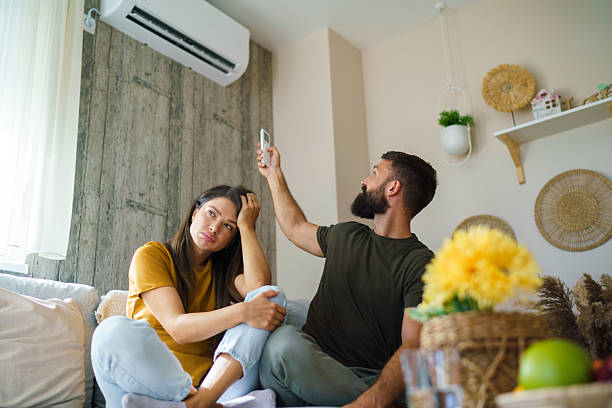
A slight light flicker when the AC turns on during summer is one of the most common electrical concerns homeowners notice during hot weather. The moment the compressor starts, the air conditioner pulls a large amount of electricity for a brief second, which can temporarily affect lighting throughout the home. In many cases, this short dimming effect is completely normal and happens every time the system cycles on.
Some flickering is harmless and expected. Other symptoms, especially prolonged dimming, breaker trips, buzzing sounds, or severe voltage drops, may indicate problems that should be inspected by an HVAC or electrical professional before larger damage occurs.
In this guide, we’ll explain why lights flicker when an air conditioner starts, what amount of dimming is considered normal, and which warning signs may point to electrical problems inside the HVAC system or the home’s wiring. We’ll also cover common causes like compressor startup load, failing capacitors, loose electrical connections, overloaded circuits, and aging AC components.
Key Takeaways
- Brief light flickering during AC startup is usually caused by normal compressor electrical power demand increases.
- Minor dimming lasting less than one second typically does not indicate dangerous HVAC or wiring problems.
- Severe flickering, buzzing sounds, or repeated breaker trips may signal failing capacitors or electrical component issues.
- Loose electrical connections and overloaded circuits can create voltage drops whenever the air conditioner starts running.
- Professional inspection helps identify unsafe electrical problems before they damage HVAC equipment or household wiring systems.
Why Lights Flicker When Your AC Turns On (The Normal Explanation)
Your air conditioner’s compressor is one of the most electrically demanding appliances in your home. When it starts, it draws a tremendous amount of power in a very short amount of time. We’re talking about 4,000 to 6,000 watts of electricity within a fraction of a second.
Here’s what happens in your electrical system: Your home has a limited amount of electrical power available at any moment. When the AC compressor kicks in, it demands a huge portion of that available power. For a brief instant, there’s less power available for other devices. Your lights, which draw significantly less power, experience a momentary voltage drop. That voltage drop causes them to dim slightly or flicker as they adjust to the lower voltage.
This happens so fast that you might not notice it consciously, but your eyes can detect changes in brightness lasting just one-tenth of a second. The flicker is brief because the AC compressor stabilizes after startup. Once it’s running smoothly, the demand levels out and voltage returns to normal.
This is completely normal electrical behavior. It’s the same reason lights sometimes dim when a powerful appliance like a clothes dryer or electric oven turns on. The bigger the device and the faster it turns on, the more noticeable the flicker.
What You Should Actually Be Concerned About
Not all flickering is harmless. Here’s what separates normal from problematic:
Normal Flickering (Nothing to Worry About)
If your lights flicker for less than one second and dim only slightly (3 to 5 percent), you are observing normal electrical behavior. You’re part of the vast majority of homes experiencing exactly this phenomenon. No action needed.
Red Flag 1: Flickering That Lasts Too Long
If your lights continue flickering for several seconds after your AC turns on, or if they flicker repeatedly on and off, this indicates a wiring problem. Damaged or loose electrical wires can’t handle the compressor’s initial power draw as efficiently as they should. This causes persistent voltage fluctuations.
Damaged wires are a serious safety risk. Loose connections can overheat. Worn insulation can lead to electrical fires. If you notice flickering lasting more than one second, call an electrician to inspect your home’s wiring.
Red Flag 2: Lights Dimming Too Much
If your lights lose 30 to 50 percent of their brightness when the AC turns on, your AC’s capacitor may be failing. The capacitor is a small cylindrical component in your outdoor condenser unit that stores electrical energy and releases it to kick-start your compressor. It stores electrical energy and releases it to kick-start your compressor. When a capacitor fails, the compressor has to draw more power to start, which causes a more dramatic voltage drop throughout your home.
A failing capacitor is fixable and costs $200 to $400 to replace. But the longer you ignore it, the more strain you put on your compressor, which can lead to far more expensive repairs.
Red Flag 3: Crackling, Sizzling, or Completely Dark Lights
Crackling or sizzling sounds accompanying the dimming of your lights indicate an overloaded circuit. Your AC should be on its own dedicated electrical circuit. If your AC and lights share a circuit (common in older homes), the combination can exceed the circuit’s capacity when the compressor starts.
An overloaded circuit can overheat the wiring and create a fire risk. This is not something to ignore. If you hear crackling or sizzling, or if your lights go completely dark even briefly, stop running your AC and call an electrician immediately.
Red Flag 4: Your Circuit Breaker Keeps Tripping
If your AC circuit breaker trips (the switch flips to the “off” position) every time your AC starts, your system is drawing too much power and the breaker is protecting your home by cutting off power. This can happen with a failed capacitor, failing compressor, or electrical fault.
The first time it happens, wait 30 minutes and reset the breaker. If it trips again within minutes of restarting your AC, do not keep resetting it. Repeatedly tripping breakers can cause electrical fires. Call TexAire Heating and Air for professional diagnosis.
Is This a Sign Your AC Is Dying?
Not necessarily. Light flickering when your AC turns on is not a sign your compressor is about to fail. It’s just a sign that your AC uses a lot of electrical power to start, which is completely normal.
However, if your flickering has gotten worse over time (lights dim more than they used to), that is a potential red flag. Deteriorating capacitors can cause worsening voltage drops as they lose their ability to store electrical energy.
If your flickering has stayed exactly the same for years, you have nothing to worry about. If it has worsened noticeably in the last month or two, that’s when you should get your AC checked.
Quick Checks You Can Do (Before Calling a Professional)
Assess your flickering by answering these questions:
How long does it last? Time it mentally. If it’s a fraction of a second, you’re fine. If it’s several seconds or repeats multiple times, note that down.
How dark do the lights get? Can you still read with the lights dimmed? Do they only look slightly less bright, or do they become noticeably darker? The difference between normal dimming (slight) and problem dimming (30 percent or more) matters.
What sounds do you hear? A quiet hum from your outdoor AC unit is normal. A crackling or sizzling sound is not.
Does your breaker trip? Check your circuit breaker panel the next time your AC turns on. Stay nearby for the first minute of operation. If the breaker switch flips to the off position, you have an electrical issue.
Is it getting worse? Compare today’s flickering to three months ago. If it’s the same, relax. If it’s noticeably worse, call for service.
If you answered “normal” to all of these, your flickering is harmless. If you answered “concerning” to any of them, keep reading.
When Light Flickering Means You Need AC Repair
Call TexAire Heating and Air for AC repair if:
- Your lights flicker for more than one second when the AC turns on. This suggests wiring problems or a failing capacitor.
- Your lights dim by 30 percent or more. This indicates a capacitor that can no longer give the compressor the power boost it needs.
- You hear crackling, sizzling, or buzzing sounds from your lights, outlets, or AC unit. This means dangerously high electrical stress.
- Your circuit breaker trips when the AC turns on and won’t stay reset. This signals an electrical fault requiring professional diagnosis.
- Your light flickering has noticeably worsened over the past few weeks. This suggests capacitor degradation.
Any of these warrant a professional inspection. TexAire’s technicians can diagnose your system in minutes and tell you whether it’s a simple capacitor replacement, an electrical issue requiring an electrician, or something else entirely.
Protecting Your Electrical System
You can’t prevent the normal voltage drop that occurs when your compressor starts. That’s just physics. But you can take steps to minimize it:
Have a dedicated circuit for your AC unit. Your AC should never share a circuit with your lights or other high-powered devices. If your home’s electrical system is old, upgrading it to provide a dedicated AC circuit is worth the investment.
Install a hard start kit. This device reduces the inrush current your compressor draws on startup, which lessens the voltage drop experienced by other devices. Cost is $300 to $500, and a technician can install it in an hour.
Schedule regular AC maintenance. Annual tune-ups catch capacitor problems early, when replacement is cheap and simple. A failed capacitor left unrepaired damages your compressor much faster than one that’s replaced proactively.
Don’t run other major appliances when your AC is cycling. If you’re cooling your home, don’t run your clothes dryer or electric water heater simultaneously. Spreading out electrical loads prevents overloading your system.
Bottom Line
Most likely, your flickering is perfectly normal and you have nothing to worry about. If it’s brief and your lights only dim slightly, you’re observing standard electrical behavior. Millions of homes experience this every summer. It’s not a sign of danger or imminent failure.
But if you’ve noticed something different, something that worries you, or something that’s changed recently, it’s worth having a professional look. A 15-minute inspection can give you peace of mind or catch a problem before it becomes expensive.
Contact TexAire Heating & Air Conditioning if you have questions about your flickering lights or want AC repair service. We can quickly assess whether your flickering is normal or signals a problem that needs fixing.
FAQ
Is it dangerous to run my AC if my lights flicker?
Occasional brief flickering is not dangerous. However, if your flickering is persistent, severe, or accompanied by crackling sounds, there’s an electrical safety risk and you should stop running your AC until a professional inspects it.
Can flickering lights damage my home?
Brief, normal flickering will not damage anything. However, persistent flickering caused by loose wiring or overloaded circuits can cause wires to overheat and potentially create a fire hazard. This is why persistent flickering should be addressed by a licensed electrician.
How much does it cost to fix a failing capacitor?
Capacitor replacement typically costs $200 to $400 including labor. It’s one of the cheapest AC repairs and prevents much costlier compressor damage if addressed early.
Will my AC stop working if my capacitor fails?
Gradually, yes. A failing capacitor makes your compressor work harder because it can’t deliver the full starting power boost the compressor needs. Over time, this wears out the compressor faster. The AC may still start eventually, but it works inefficiently and shortens the compressor’s lifespan.
Should I get my electrical panel upgraded?
If your home is older than 30 years and you frequently see your lights flicker when major appliances turn on, a panel upgrade might be beneficial. Modern panels distribute power more efficiently. A licensed electrician can assess whether an upgrade makes sense for your situation.