

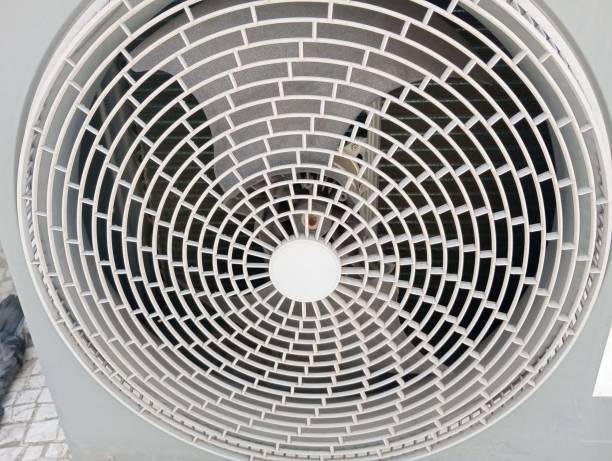
You walk out back, and the outdoor unit is humming along with the fan spinning right on top. So why is the house still warm? Here is the part that catches most homeowners off guard: a spinning fan does not mean your AC is actually cooling.
The fan and the compressor are two separate parts, and the compressor is the one that does the real work. Your fan can run all day while the compressor sits dead, and a dirty or neglected system makes it worse, since the U.S. Department of Energy notes a clogged filter can raise energy use by 5 to 15 percent while choking cooling.
In this blog, we’ll explain the most common reasons an outdoor AC fan runs while the house stays warm, the troubleshooting steps you can safely perform yourself, and the signs that indicate it’s time to call a professional.
Key takeaways:
- A spinning outdoor fan does not mean your AC is cooling, since the fan and compressor are separate parts.
- The most common cause is a failed run capacitor that lets the fan spin but not the compressor.
- A dirty condenser coil, low refrigerant, or a frozen indoor coil can all leave the air warm.
- Running the system while it struggles can damage the compressor, the costliest part to replace.
- If the basics check out, a failed capacitor or compressor needs a licensed technician.
Why Is My Outside AC Fan Spinning But the House Isn’t Cooling?
Your outside AC fan can spin while your house stays warm because the fan and the compressor are separate components. The fan moves air across the coil, but the compressor is what actually pumps refrigerant and creates cooling.
When the compressor fails to run, you get a spinning fan and warm air. The usual causes are a bad run capacitor, low refrigerant, a dirty condenser coil, or a failing compressor.
Think of the outdoor unit as two jobs sharing one cabinet. The fan pulls air through the coil to release heat, while the compressor squeezes refrigerant to move that heat out of your home. They run on different parts, so one can quit while the other keeps going. That is why the fan on top can look perfectly normal while the cooling has completely stopped. Pinpointing which part failed is the key to getting cold air back.
Why Your AC Fan Runs But the House Stays Warm
Most of these problems trace back to the outdoor unit or the airflow feeding it. Some you can check yourself, while others need a technician and the right tools. Reading through them in order helps you understand what your system is telling you.
1. A Failed or Weak Run Capacitor
A bad run capacitor is the single most common reason the fan spins but the compressor does not. The capacitor stores the jolt of energy that starts both the fan and the compressor, and it often weakens on the compressor side first.
You might hear a humming or clicking sound from the unit as the compressor tries and fails to start. Heat makes a weak capacitor worse, which is why this failure spikes on the hottest days. It is a common repair, and a stocked technician usually replaces it in one visit.
2. A Dirty Condenser Coil
Your outdoor condenser coil releases your home’s heat, and it cannot do that when it is caked with dirt. Grass clippings, pollen, and dust pack into the fins over a season and trap the heat the system is trying to dump.
The fan keeps spinning, but the unit cannot actually shed heat, so your home stays warm. Keeping two feet of clear space around the unit and gently rinsing the coil with a hose helps, though a heavy buildup calls for professional cleaning.
3. Low Refrigerant From a Leak
Refrigerant is what carries heat out of your home, and a low charge cripples cooling even with everything spinning. Low refrigerant almost always means a leak rather than a system that needs a routine top off.
As the charge drops, the system runs but produces little or no cold air, and you may notice ice on the lines or a hissing sound. A technician has to find the leak, seal it, and recharge the system to the manufacturer specification.
4. A Frozen Evaporator Coil
Sometimes the outdoor unit is fine and the problem is a block of ice indoors. Low airflow or low refrigerant can drop the indoor evaporator coil below freezing, and the ice that forms blocks cooling completely. The fan outside keeps spinning while warm air pours from your vents.
If you find frost on the indoor unit or the refrigerant lines, turn the system off to let it thaw, then look for the airflow or refrigerant cause behind it.
5. A Dirty Air Filter Choking Airflow
A clogged air filter starves your system of the airflow it needs to cool properly. When the filter packs with dust, the reduced airflow weakens cooling and can even freeze the coil, which compounds the problem. This is the cheapest and easiest cause to rule out. Pull the filter, hold it up to the light, and replace it if you cannot see through it. Most filters need changing every 30 to 60 days in Texas summers.
6. A Failing Compressor or Contactor
When the capacitor and airflow check out, the trouble may be the compressor itself or the contactor that sends it power. A worn contactor can fail to close and start the compressor, and a compressor near the end of its life can stop running while the fan continues. These are serious repairs that need a licensed technician, because the compressor is the heart of your system and the most expensive part to replace.
What to Do Before You Call
A few quick checks can rule out the simple causes. Set your thermostat to cool and a few degrees below the room temperature to confirm it is calling for cooling. Replace a dirty air filter, and clear any leaves or debris from around the outdoor unit. Check your electrical panel for a tripped breaker and reset it once. Look at the indoor unit and refrigerant lines for ice, which points to a frozen coil that needs to thaw.
What you should never touch is the capacitor, the refrigerant, or the compressor wiring. A charged capacitor can hold a dangerous shock even with the power off, and refrigerant handling requires EPA certification. If the simple checks do not bring back the cold air, the next step is a professional diagnosis.
When to Call an HVAC Professional in DFW
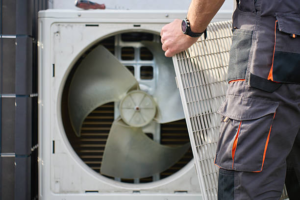
Call a professional when the fan spins but no cold air comes through, you hear humming or clicking from the outdoor unit, you see ice on the lines, or the system keeps running without cooling. Those point to a capacitor, refrigerant, or compressor problem that needs trained hands and proper tools to fix safely.
This is where TexAire Heating & Air Conditioning comes in. Our licensed technicians test the capacitor, contactor, refrigerant charge, and compressor, then show you exactly what failed before any work begins.
We provide fast AC repair across the Lewisville, Dallas and Fort Worth area, and our trucks carry common parts like capacitors so most repairs finish in a single visit. TexAire Heating & Air Conditioning serves homeowners throughout the DFW Metroplex with honest diagnostics and reliable workmanship, so a spinning fan and a warm house never have to ruin your day.
A Real Lewisville Cooling Fix
A homeowner on Timber Creek Drive in Lewisville called TexAire Heating & Air Conditioning on a 100-degree afternoon when their outdoor fan was spinning, but the house would not cool below 80°F. They had already changed the filter and reset the breaker with no luck.
Our technician arrived the same day and tested the outdoor unit. The dual run capacitor had failed on the compressor side, so the fan continued spinning while the compressor remained silent.
A season of dirt buildup on the condenser coil was also causing the system to run hotter than normal. We replaced the capacitor, cleaned the condenser coil, verified the refrigerant charge, and confirmed cold air was flowing through every vent.
The home was cooling normally within the hour, and catching the failed capacitor early helped prevent the compressor from overheating and turning a minor repair into a much larger expense. It is a clear example of how a spinning fan can hide a simple component failure that a proper diagnostic test quickly uncovers.
Getting Cold Air Back When the Fan Is Spinning
A spinning outdoor fan and a warm house is your system telling you the compressor side has a problem, not the fan. Most of the time it traces back to a failed capacitor, a dirty coil, low refrigerant, or a frozen indoor coil, and several of those are quick fixes once you know where to look.
The smart move is to run the simple checks, then bring in a pro before a small part failure turns into compressor damage. Staying on top of routine AC maintenance keeps these failures rare in the first place.
If your outdoor fan is spinning but your home will not cool, let TexAire Heating & Air Conditioning find the cause and set it right. Call us at 469-213-7730, and our team will get cold air flowing through your DFW home again before the Texas heat wears you down.
FAQs
Why is my outside AC fan running but my house is not cooling?
The fan and the compressor are separate parts, so the fan can spin while the compressor fails to run. The usual causes are a bad run capacitor, low refrigerant, a dirty condenser coil, or a failing compressor, all of which leave the air warm.
Can a bad capacitor make the fan spin but not cool?
Yes. A run capacitor powers both the fan and the compressor, and it often weakens on the compressor side first. The fan keeps spinning while the compressor will not start, usually with a humming or clicking sound, so the system runs but produces no cold air.
Is it safe to keep running my AC if it is not cooling?
No. Running a system that cannot cool can overheat and damage the compressor, the most expensive part to replace. Turn the system off, run the simple checks like the filter and breaker, and call a technician before a small problem becomes a major repair.
Why is my AC fan on but no cold air is coming out?
Warm air with the fan running points to the compressor not pumping refrigerant, a frozen evaporator coil, or low refrigerant from a leak. Check the filter and thermostat first, then have a technician test the capacitor, coil, and refrigerant charge if the air stays warm.
How much does it cost to fix an AC fan that spins but does not cool?
It depends on the cause. A failed capacitor is a relatively affordable repair, while a refrigerant leak or compressor replacement costs more. A technician can diagnose the exact problem and give you a clear price before any work, so you know what you are paying for.